SoCal Webs

"Most spiders have eight legs and eight eyes, but to me they hold endless stories," says Dr. Rogrigo Monjaraz-Ruedas, Associate Curator of Entomology at NHM and founder of SoCal Webs. "In every web out there lies a wonder to be discovered; that's why searching for spiders is always a new adventure."
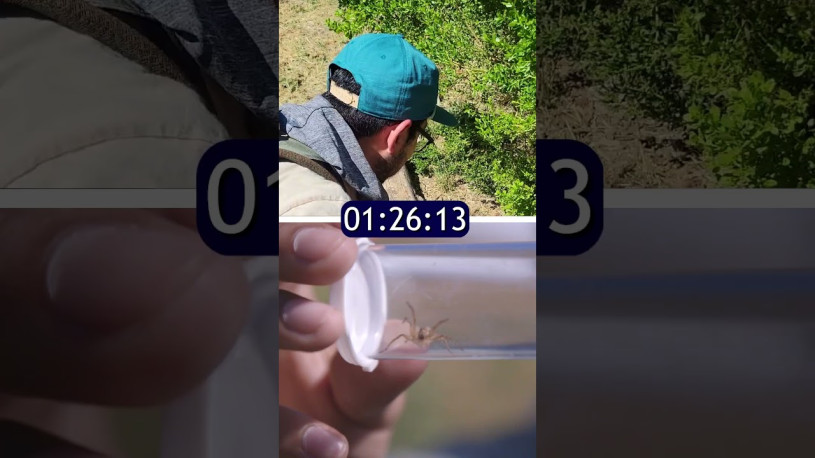
What is SoCal Webs?
SoCal Webs is a community science project that aims to catalogue and improve our knowledge of spider biodiversity in Los Angeles County and throughout Southern California. The Natural History Museum’s collection of spiders includes thousands of specimens from locations throughout the Los Angeles basin and spans the last 70 years. Since 2002 more than 6,000 specimens of spiders have been added to the collection through the community science project Los Angeles Spider Survey (LASS), making the NHMLAC Spider collection one of the most important references of spider biodiversity from the greater Los Angeles area (Kemp et al., 2021). We want to extend this project into the digital era, and that is where community scientists come in!
Project Objectives
Our main goals in this project are to better understand the biodiversity of spiders in Los Angeles County and Southern California, keep track of their distribution and changes in species composition, register any new records, and stay informed of the presence of non-native species. The NHM LASS project serves as a baseline to keep track of species composition in time. Combined with historical records from the NHM Spider collection, we can map the distribution of spiders and assess changes in biodiversity (which species are now present or absent and from where). And further evaluate if species composition change is related to external factors such as temperature or urbanization.
Non-native species like False Widows (genus Steatoda) are excellent examples of species that have adapted to cities and also show shifts in their composition in time and space. Gaining an understanding of the causes of these shifts begins with studying historical and current records to map their distribution.
Spiders' interactions with other species as well as plants is extremely important for understanding certain aspects of the biology of spiders, including imaging of their webs and habitats. The LASS project recorded information at the moment of spider observation, such as coming from “outdoors” or "indoors” which is very useful to assess urbanization tolerance. Now with images, we can also extract additional data including web shape, habitat, and other species interacting with spiders, like prey or interactions.
How to Participate?
- Find spiders: On a walk around your block, backyard garden, local library, school, or on a hike in a local park, look out for spiders! You may find them under rocks and bushes, hidden in wood piles, on tree bark, on the leaves of plants, and in dark places in your house like a basement.
- Take Pictures: Photograph the spiders and document when and where you found it (GPS or cross streets). Try taking pictures from multiple angles, ideally focusing the dorsum and the eyes, this will help facilitate identification.
- Submit Your Observations: Submit photos and supporting data (date, time, address/locality, and observational notes) by uploading to the SoCal Webs project page on iNaturalist or sending an email to spiders@nhm.org.
What Happens Next?
Each spider observation you find will be identified, recorded in a database, and become valuable data contributing to a growing database of information useful for research, public policy decisions, and more. Your efforts will help us determine the distribution of spider species in greater Los Angeles and will contribute to extending and continuing the LASS project, and much more!
SoCal Webs Data
To view the most recent SoCal Webs data, visit our project page on iNaturalist.
On the project page you will be able to view a map of observations that have been submitted, see who has contributed, how many contributions each person has made, and how many of the potential species in this area have been documented through SoCal Webs.
What have we collected so far (from the LASS project)
Community scientists participating in the Los Angeles Spider Survey have collected over 4000 spiders, representing 217 species and 119 genera in 36 families.
Grass Spiders or Funnel Web-Weavers
Ghost Spiders
Orb-weavers
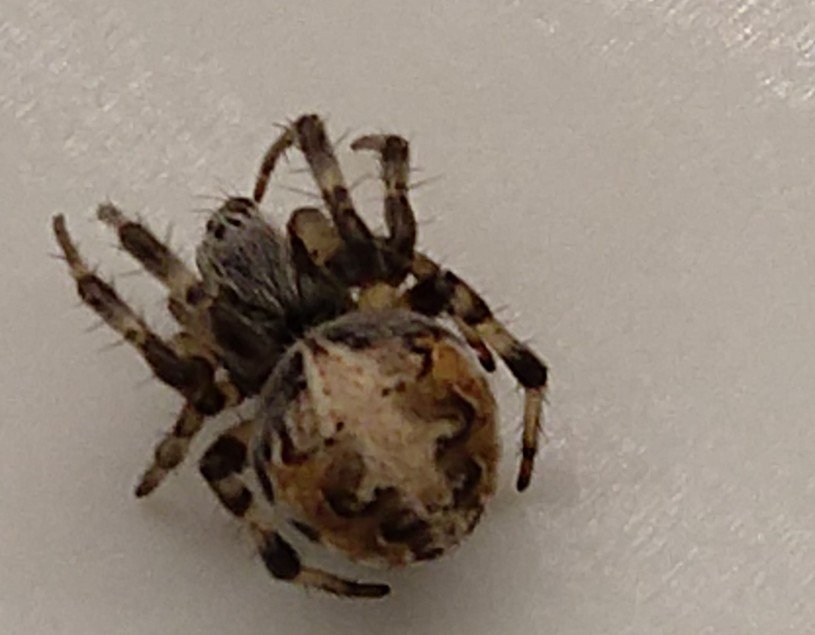
Sac Spider
Trap-door Spiders
Meshweavers
Sow bug Eater
Sac Spiders
Crevice Weavers
Ground Spiders
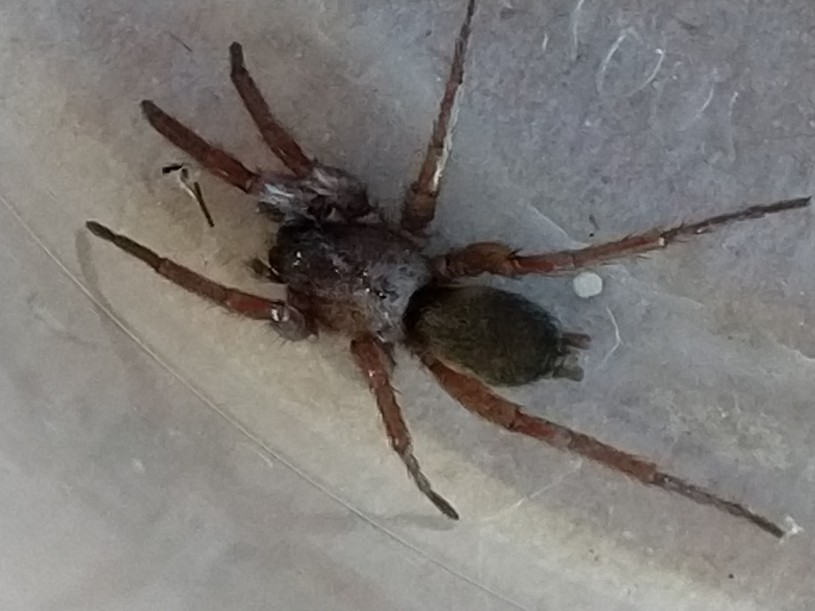
Wolf Spiders
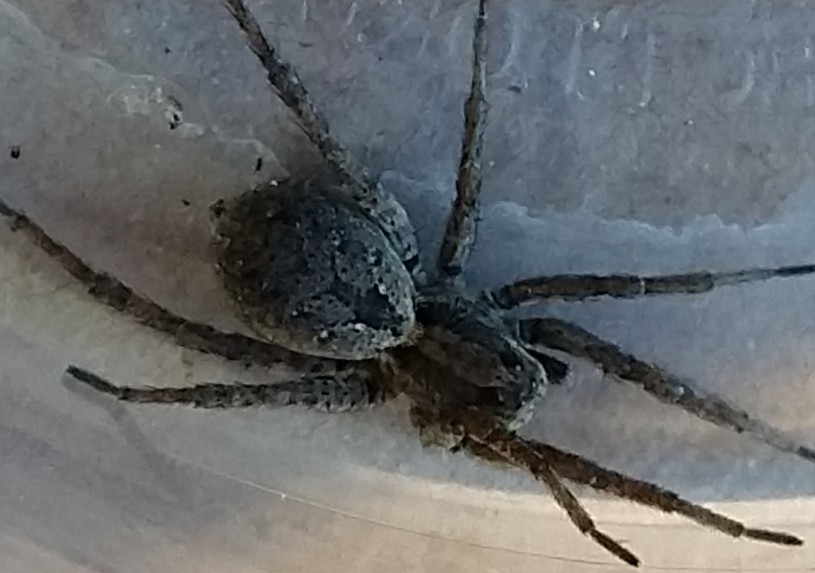
Pirate Spiders
Flatmesh Weavers
Goblin Spiders
Lynx Spiders
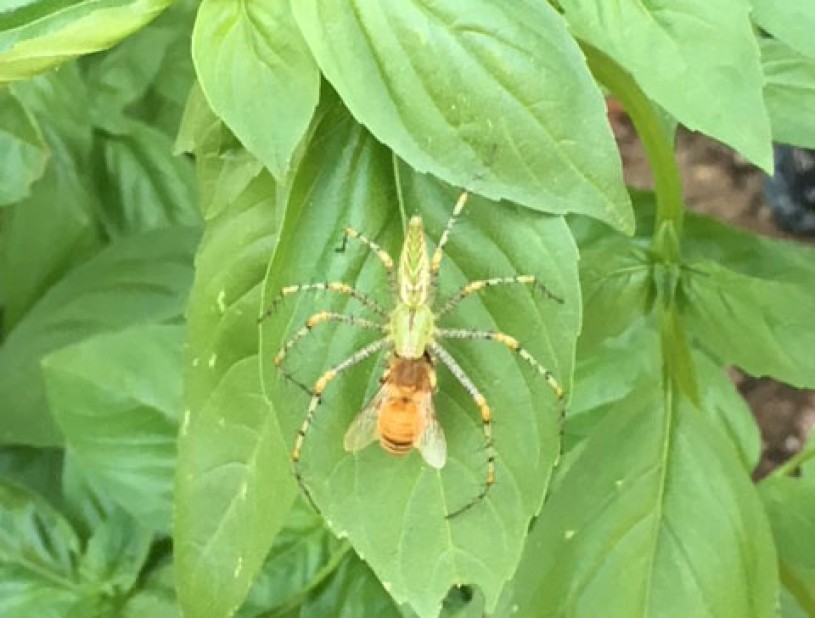
Running Crab Spiders
Cellar Spiders
Jumping Spiders
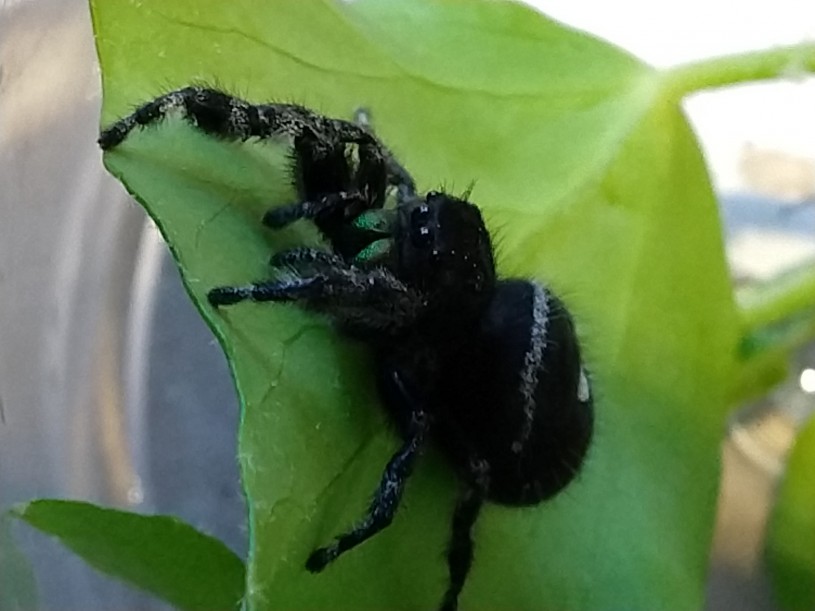
Violin Spiders
Giant Crab Spiders
Long-jawed Orb Weavers
Tarantulas
Cobweb Weavers
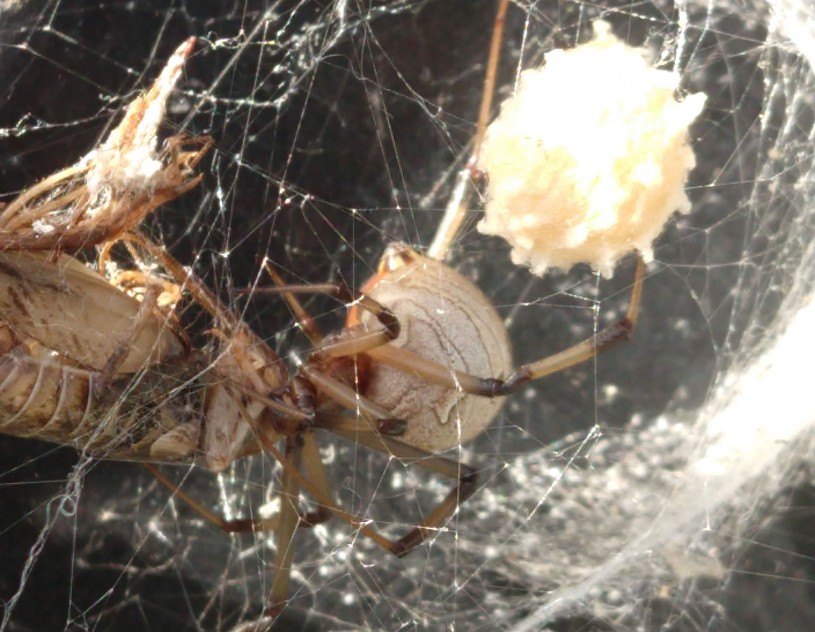
Crab Spiders
Hackled Band Orb-Weavers