NHM Scientists Brace for Unlikely Visitors and Strange Creatures During the Super El Niño
It's the strongest El Niño in more than a hundred years, and far-flung creatures are already arriving in Southern California, with more expected in the coming months. Studying them will help NHM researchers better understand the impacts of the massive climate event.

According to some models, this year's El Niño could be the strongest in 150 years. The so-called super El Niño could cause an outsized impact on our planet’s weather patterns, bringing powerful rain and hotter ocean water that brings creatures from the tropics to Southern California shores.
“Documenting the rare tropical and subtropical species that come northward during El Niño events gives us some clues as to which species may eventually become SoCal regulars as our oceans continue to warm,” says Dr. Greg Pauly, NHM's Curator of Herpetology. “By examining the health of recovered specimens, we can also learn about the stresses placed on animals during these El Niño events.”
This superheating of the tropics will likely have a dramatic effect on marine life, and NHM curators are asking residents to keep an eye out for animals that rarely visit SoCal, landing on our shores, as well as other rare sightings. The first of those strange arrivals has already arrived.
Californians have already witnessed hammerhead sharks off the coasts of Los Angeles, Orange, and Ventura Counties, a whale shark off Malibu, and mahi-mahi (aka dorado) swimming off the Southern Channel Islands. In fact, the first out-of-towner has already made it into NHM collections: a longfinned bigeye (Cookeolus japonicus) caught off the Venice Fishing Pier by local fisherman Julius Cardines.
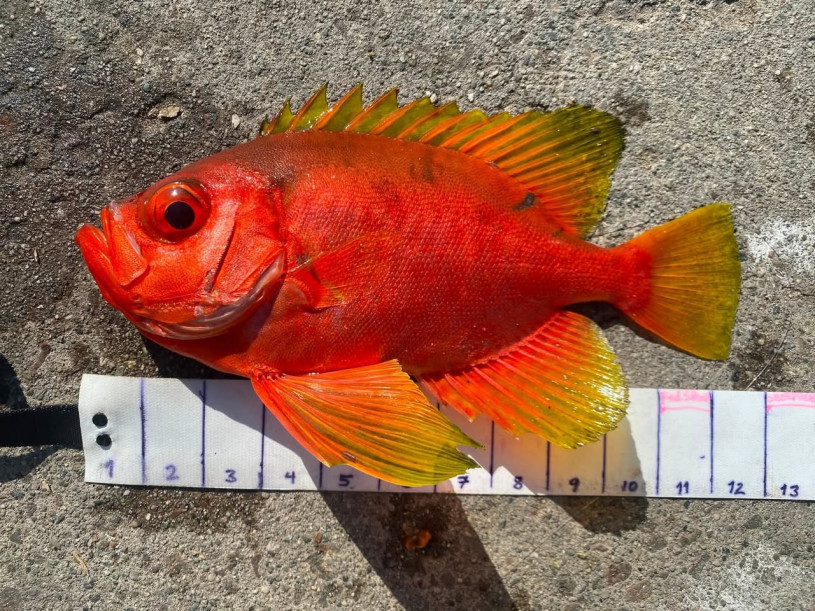
“This is a wide-ranging species that is typically found from Baja California to Peru in the eastern Pacific,” says NHM Ichthyology Curator, Dr. Bill Ludt, “but this isn’t the only uncommon species we’re likely to see as we get warmer waters along our coast.” Previous ocean warming events have resulted in a variety of rare fishes in California, including tropical reef fishes such as damselfishes, pufferfishes, and angelfishes coming up from Mexico.
If you find any weird fish on shore, send a photo and your contact info to nature@nhm.org.
Yellow-bellied Sea Snakes
The changing currents during an El Niño can shift open-water species far beyond their usual ranges. The Yellow-bellied sea snake is the most notable of the species to make it into NHM collections. Only six of these sea snakes have ever been collected in the state, and five of those washed up during an El Niño year. Normally, the closest it gets to Southern California is the tip of the Baja Peninsula.
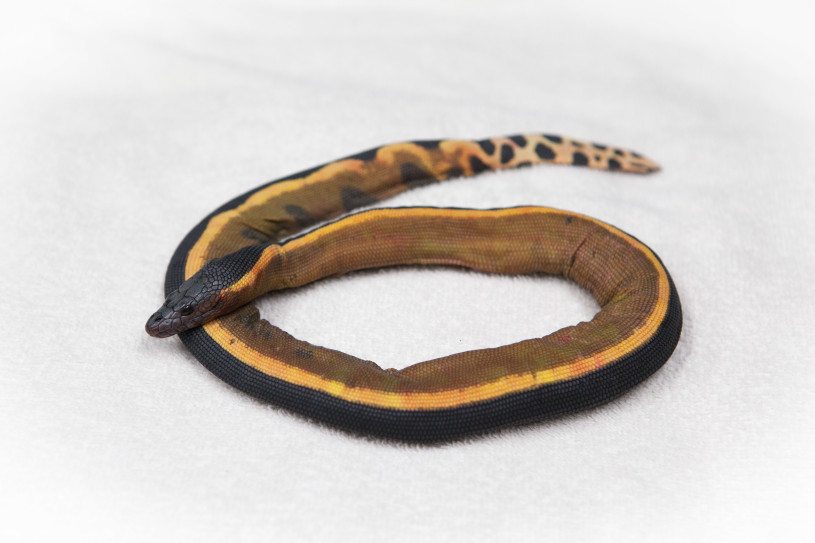
“The first sea snake ever documented in California was found washed ashore on Thanksgiving morning during the 1972–73 El Niño. Three more were stranded during the very strong 2015–16 El Niño, and two more have shown up since then,” recounts Dr. Pauly. “As waters begin cooling down in fall and winter, these snakes stop eating, become lethargic, and are pushed ashore during the lunar tides and/or strong onshore wind events. These pelagic snakes should already be well north of their typical range and may already be off the Southern California coast. Beachgoers should keep an eye out for stranded snakes on Southern California’s beaches, with snakes most likely showing up from October through January.”
If you see a strange reptile on the shore, send a photo and your contact info to nature@nhm.org.
Danger for Marine Mammals
While Angelenos should be on the lookout for weird reptiles and fish, they should also be aware of El Niño’s impact on marine mammals like sea lions.
Southern California typically has high numbers of fish and marine mammals because cold, nutrient-rich water rises from the deep ocean, resulting in abundant plankton, which are eaten by small fish like sardines and anchovies. These are consumed by larger fish, seals, dolphins, and whales. During El Niño events, this upwelling decreases, and the base of the food chain takes a big hit, which in turn threatens the seals and sea lions that rely on them for sustenance. On top of diminished food resources, the number of sea lions and seals suffering from domoic acid poisoning, also known as toxicosis, surges. The disease can cause seizures or heart attacks if untreated.
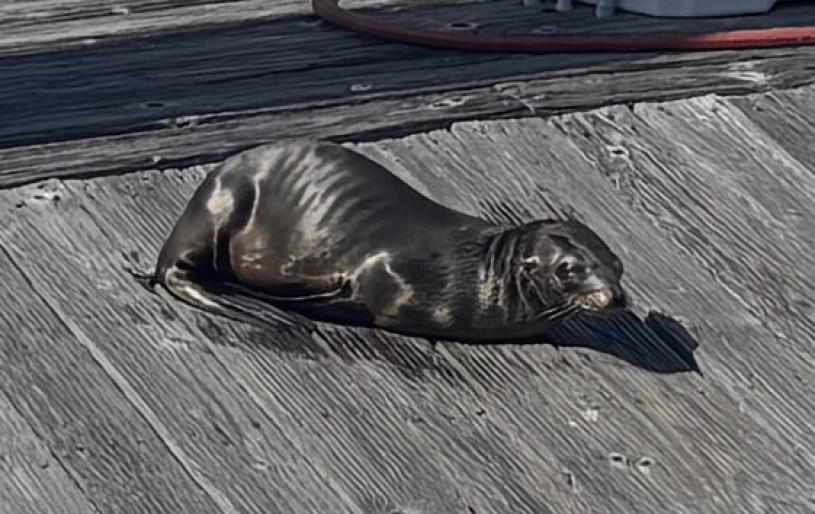
“If you see any sick or stranded marine mammal, the best thing to do is keep your distance and reach out to the authorities, like any of our partners from the marine mammal stranding network,” says Dr. Jorge Velez-Juarbe, Curator of Marine Mammals at NHM. “Necropsies of dead marine mammals can offer additional information about oceanic conditions and food availability, which may help us understand why they died and what to expect from ongoing changes in our oceans.”
We'll continue to update this page with new sightings and specimens as they arrive.

