Our Antarctic Explorer
Voyage alongside Dr. Tania Pineda-Enriquez, Collections Manager of Echinoderms, who recently returned from an epic expedition to document sea creatures inhabiting one of the most remote places on Earth—Antarctica.

Dr. Tania Pineda-Enriquez, Collections Manager of Echinoderms, joined an epic scientific expedition to Antarctica last February, working with a team that included Research Associate of Echinoderms Dr. Jeff Bozanic, expedition leader, to build a baseline of shallow-water marine life in some of the most remote corners of the world. This trip was part of the Explorer’s Club Flag Expedition #243.
Her role as a lead scientist was to document and preserve marine invertebrates (especially echinoderms—think sea stars and sea urchins, as well as crustaceans, polychaetes mollusks and other groups) later to be integrated into the museum collections as long-term reference material.
After setting sail on the first day, the boat with 100 passengers, of whom 41 were participants of the expedition, entered the Drake Passage. On the second and third day, they crossed into the Antarctic Circle. While on board, she said: "The activity was all about preparation—organizing our supplies, setting up to process samples, and making sure the dive team has everything they need. The calm before the science begins.”
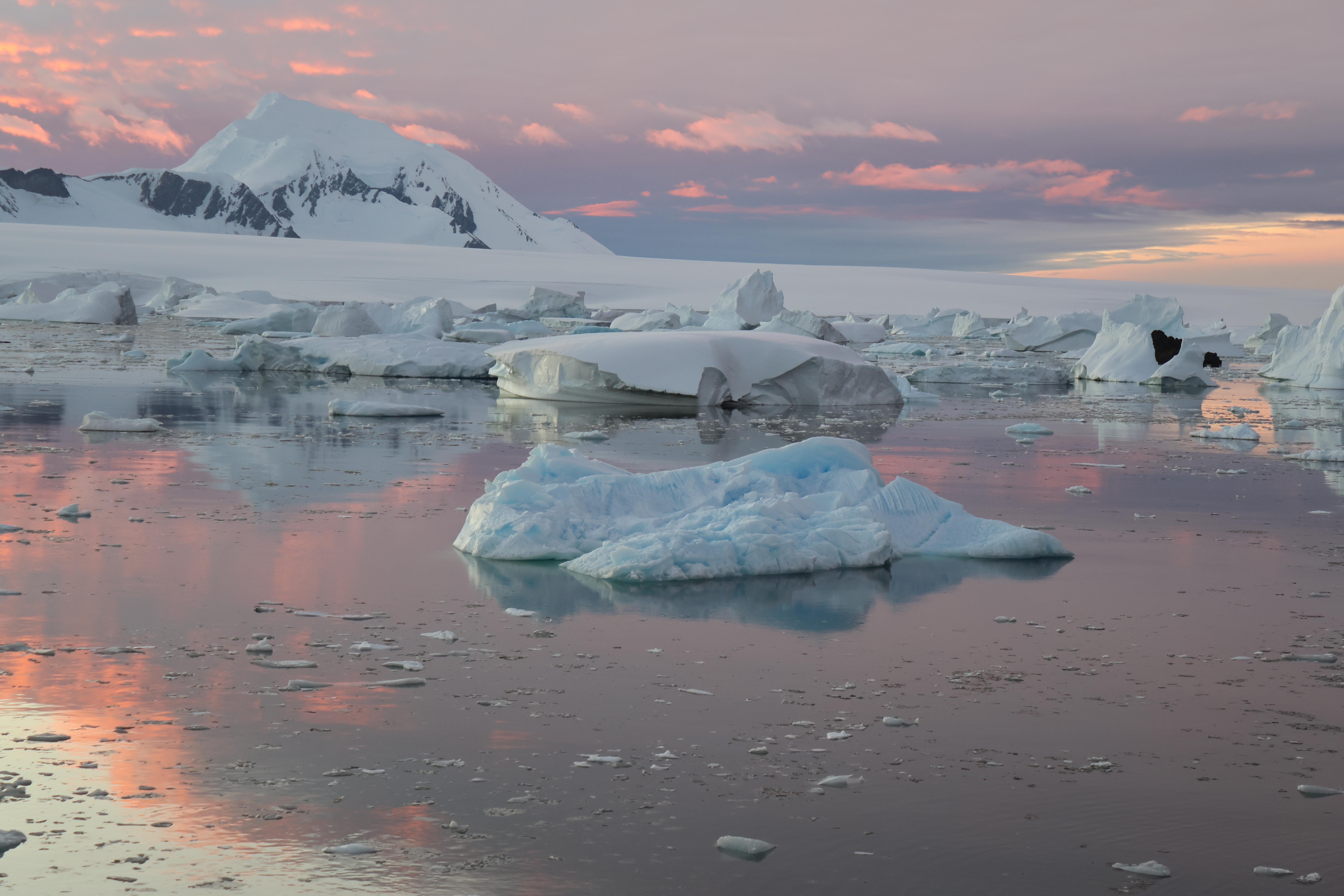
On Day 5, they made their first landing in Antarctica.
“We explored Stonington Island, and what a special day it was!” wrote Tania Pineda-Enriquez in a series of Instagram posts during the voyage. “We had the chance to see the stunning North East Glacier up close, an incredible wall of ice surrounded by dramatic Antarctic landscapes. Also a colony of Adelie penguins.”
Pineda-Enriquez recounted that the crew also visited two historic Antarctic research stations, including Base E. “Walking through these stations feels like stepping back in time, imagining the scientists and explorers who once lived and worked in such extreme conditions,” she wrote. “It made the experience even more powerful.”

A tray of gear and a few of the specimens the team collected in Antarctica.

A specimen of a Diplasterias, a genus of starfish

The crew at their fieldwork site in Antarctica.

The crew of Antarctic explorers.

Dr. Tania Pineda-Enriquez, Collections Manager of Echinoderms.
Collecting the specimens meant diving multiple times a day in shallow, frigid waters surrounded by icebergs. Divers in dry suits, carrying thick loads, opened jars inside the water to capture specimens or scooped them inside plastic bags.The pace was swift; the diving team were collecting around 400 samples a day and working 15-hour days. Then, on the boat, the processing began. A second team of Community Scientists worked with Dr. Pineda-Enriquez. They took photos, tissue samples, and preserved the specimens. Both teams got firsthand experience collecting and preparing scientific specimens and were a crucial part of the expedition.
“Most of this area has never been documented before, particularly Lazarev Bay; It's a very narrow bay and very shallow. No big vessels have the capacity to navigate through the waters, collecting specimens from that area makes them more valuable,” Pineda-Enriquez said. Having these specimens will allow scientists at NHM and around the world to better understand the diversity and ecosystems of a very remote place. That only happens through exploration.
“It was super intense but people told me that this is the best experience they ever imagined—because they were doing this for science and knowing that they contributed to the museum's collections made it more exciting.”
