
Highlighting the Makers & Mixers that Bring Us Together
Mara Herbkersman & Emily Bielagus | The Ruby Fruit

Editor’s Note: Following this interview, The Ruby Fruit made the difficult decision to close its physical doors in December 2025. We are publishing this story to honor the incredible community, history, and legacy that founders Mara Herbkersman and Emily Bielagus built, and to preserve their space in L.A.'s cultural archives.
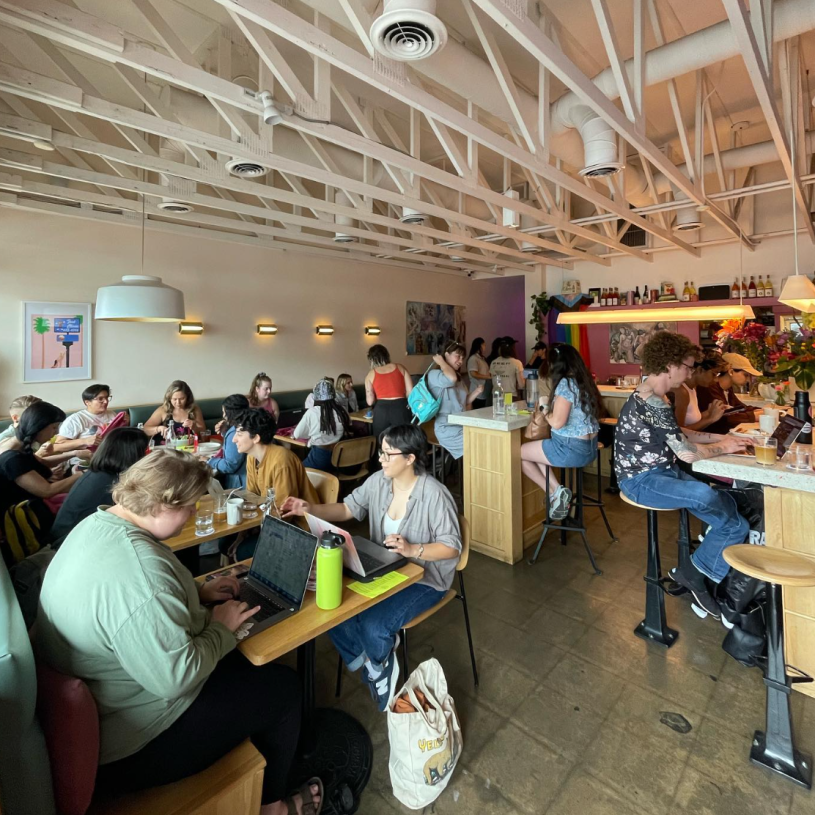
The Ruby Fruit was more than a bar; it was a signal in the city of Los Angeles—a space specifically carved out for the "sapphically inclined." Nestled in Silver Lake, co-founders Mara Herbkersman and Emily Bielagus transformed a beloved neighborhood haunt into a sanctuary that centers a community often relegated to the outliers. At The Ruby Fruit, the mission was built on radical inclusivity, extending from the specific language used to describe the space to a pay-equity model that honors every hand behind the scenes.
Mara: I moved here in 2004 to go to school at CalArts. I graduated from the theater school in 2008 and worked as an actor for some time. I’m an "actor in recovery" now, but that pursuit is what originally brought me to the city.
Emily: I’m from New Hampshire, but I lived in New York for 15 years. Right before the pandemic, I just needed a very big change and a place to start over. I drove across the country with my dog and never looked back.
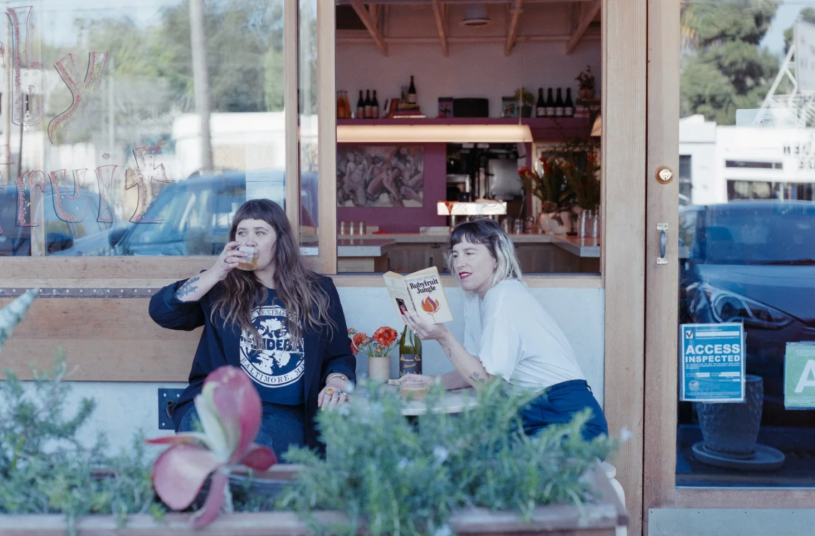
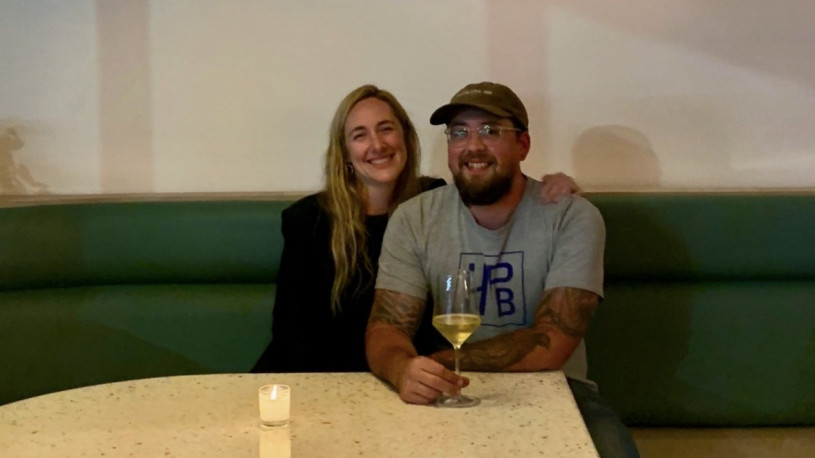
Mara: We both worked at the restaurant that was here before, called Eszett. We met here and became friends here. Literally one day, standing over a trash can eating a family meal, I asked Emily, "Would you ever want to open a lesbian bar?"
Emily: I said yes, that would be amazing, but we weren't planning it in a sincere way. Then, in November, the owner of Eszett told Mara they were closing the restaurant. They knew it was her dream to have her own thing and offered it to her first. We went from being the wine director and a server to being the owners in just two weeks. It happened very fast. We did not have access to capital to open a bar. However, the previous owners of the space, Sabrina and Spencer, did us a real solid by giving us a year to pay for the restaurant's equipment and key money. They essentially invested in us, and we were able to pay them back in full within our first year, entirely from sales.
Emily: We really struggled with language in the beginning. We wanted to be very clear that we were offering a space that didn’t exist—a lesbian bar in L.A.—but the word "lesbian" can feel old-school or exclusive to some. We didn’t want to exclude trans people, bi people, or anyone else on the LGBT rainbow.
Mara: We landed on "a place for the sapphically inclined" because it signaled that this was an inclusive space. It spoke to people who were questioning or maybe didn't even know they were members of the community yet. We wanted to strike a chord where people felt recognized rather than excluded.
Right at the very beginning, we both felt that language was really important.
Emily

The Ruby Fruit
Self-described as a "wine bar for the sapphically inclined," The Ruby Fruit welcomed all members and allies of the LGBTQ+ community. For founders Emily and Mara, this specific language was a deliberate choice of radical inclusivity. The phrase was carefully chosen to speak not just to established community members, but to those who were questioning or "didn't even know they were members of the community yet," giving them a space where they were instantly recognized rather than excluded.

The Ruby Fruit
While the bar's name is a lesbian literary nod, the intent behind The Ruby Fruit was a deliberate choice to ensure non-binary, trans, and gender-nonconforming individuals felt at home too.

The Ruby Fruit
The "Cheers" of Queer LA. The Ruby Fruit earned its reputation as a place where "everyone knows your name—and everyone knows your ex."
Mara: It was the Martha. An elderflower spritz made with syrup from Nikolaihof, the oldest winery in Europe, sparkling wine, and lemon.
Emily: The name is the real story—it’s named after Mara’s stepmother. She taught Mara how to spritz at the beach, but she also taught her all the "baby queer" things, like the Indigo Girls. It’s a drink rooted in hospitality and family lore.
In the very beginning, I feel like we would measure a night by how many Marthas we did.
Emily

The Natural History Museums of Los Angeles County
Named after Mara’s stepmother, The Martha is an elderflower spritz made with syrup from Nikolaihof, sparkling wine, and lemon.

Natural History Museums of Los Angeles County
The foundation of The Ruby Fruit's signature spritz was a unique elderflower syrup sourced from an Austrian winery—a special ingredient originally brought in by the space's previous owner, Sabrina. Built simply with one ounce of the syrup, five ounces of sparkling wine, sparkling water, and a lemon wedge, the refreshing cocktail bridged the gap between the old restaurant and the new sapphic bar.

Natural History Museums of Los Angeles County
The Martha became so popular that Emily and Mara often joked they owned a "Martha bar" rather than a wine bar. Named after Mara’s stepmother—who taught her how to spritz at the beach and introduced her to "baby queer" touchstones like the Indigo Girls—the beloved elderflower cocktail served as a delicious symbol of the bar's deep roots in hospitality and family lore.
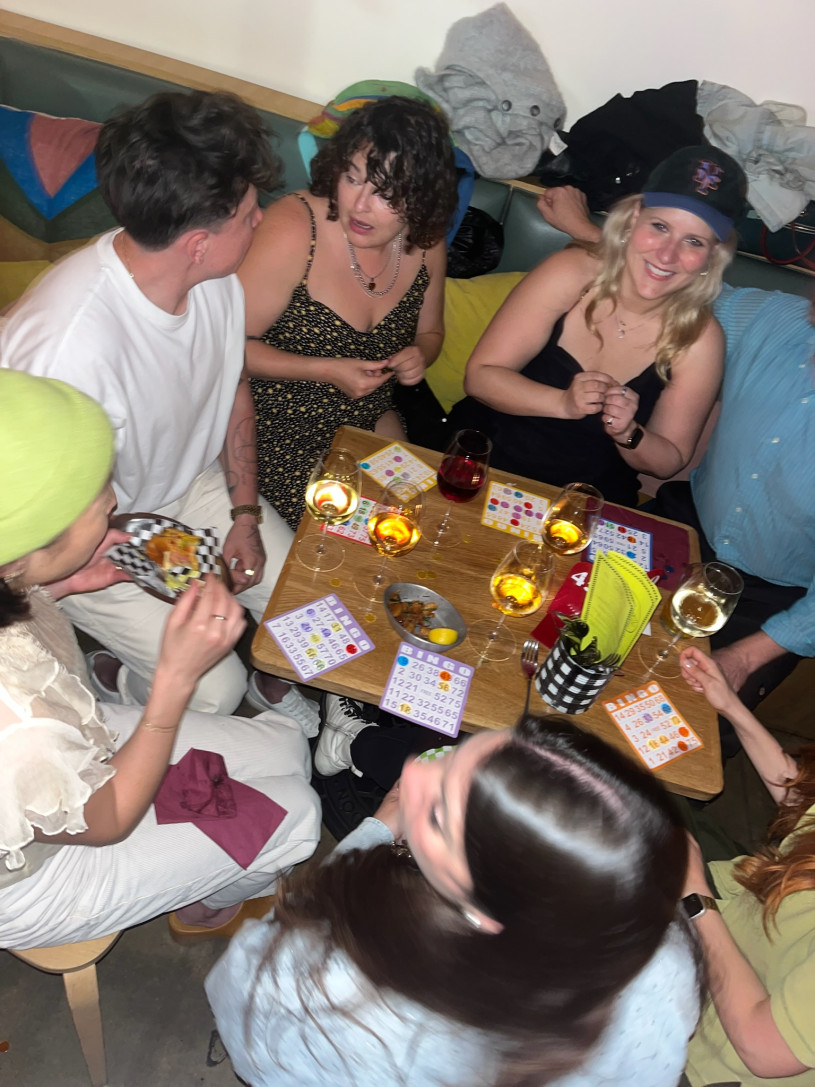
Emily: The space was intentionally small, so it was hard not to talk to strangers. But we know people were out of practice with in-person connections because of phones or the pandemic. We hosted things like "Gayme Nights," Speed Dating events, "Queereoke," and Singles Nights to give people a reason to engage.
Mara: We saw people come in alone, looking a bit terrified, and by the end of the night, they’ve exchanged five numbers. We want people to realize, "Oh, I actually belong here. This is mine." There is a deep heart to seeing someone walk in who hasn't felt safe in a bar in years and watching their shoulders finally drop.
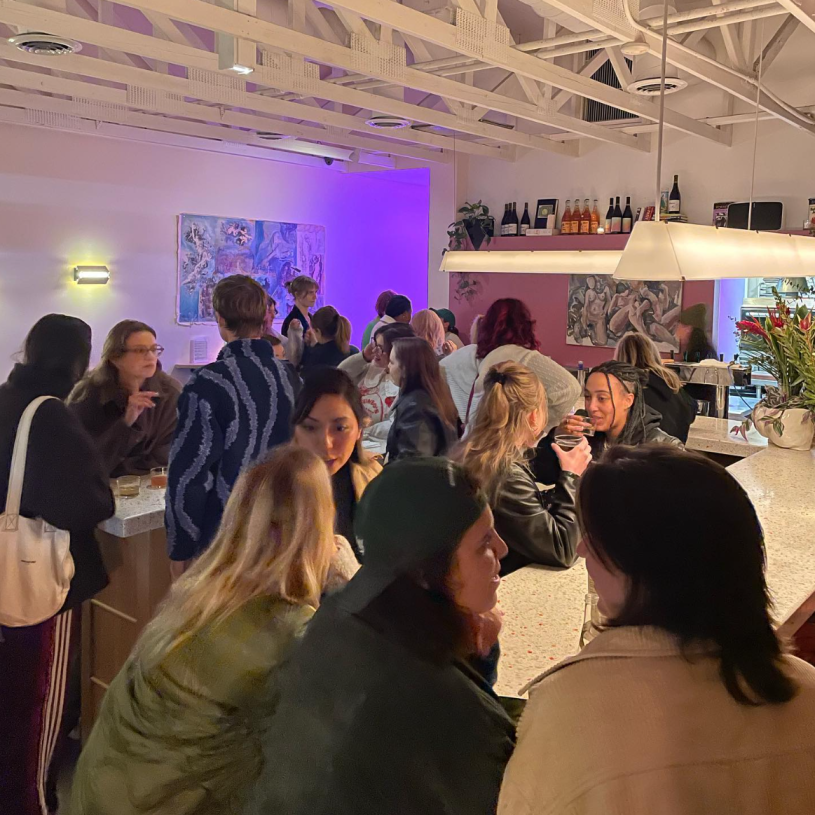
You're watching people make friends in real time and it's amazing!
Mara
Mara: This is the part we are most proud of, but it’s often invisible. Historically, the hospitality industry has a massive gap between the "Front of House" (servers) and "Back of House" (cooks and dishwashers).
Emily: We decided that everyone who worked here was equally valuable. In our model, everyone earned the same hourly wage and received the same percentage of tips based on the number of hours worked. Whether you are the prep cook, Regina, who has been with us since the beginning, or the person pouring the wine, everyone was an equal stakeholder in the night's success.
Mara: It’s a model of equity that honors the labor of the Black and Brown people who are often the backbone of kitchens but the last to see the tips. Enforcing this model asks privileged people to take less of a share to give to others, and you would be shocked by how many applicants are not okay with that. We drew a really hard line and refused to waver on this policy. You cannot tell us that someone working in the front is worth more than someone in the back, and we invite anyone who thinks so to go wash dishes for the night. We want our staff to feel like this is their home as much as it is the guests'.
The kitchen needs the front and the front needs the back. It's a symbiotic relationship; they both need each other. No one is more important than someone else; you actually need all of it.
Mara

The Ruby Fruit
For founders Emily and Mara, the relationship between the front of the house and the back of the house is entirely symbiotic—one cannot survive without the other. By enforcing a strict pay equity model for their entire staff, including team members like Froilan, Mario, Regina, and Oswaldo, they ensure that the unseen labor of the kitchen is valued just as highly as the front-facing service. "No one is more important than someone else; you actually need all of it," Mara notes.

The Ruby Fruit
When The Ruby Fruit took over the space from the previous restaurant, Eszett, founders Emily and Mara made it a priority to keep the original team employed. The back-of-house staff, like prep cook Regina and team member Froilan, were equal stakeholders in the bar's success. By ensuring everyone made the same hourly wage and receives an equal percentage of the tips, the founders were actively closing the historical pay gap between front-of-house servers and back-of-house cooks.

The Ruby Fruit
The Ruby Fruit staff were the true heartbeat of the bar. Treating the relationship between the front-of-house service and the back-of-house kitchen as an entirely "symbiotic relationship," the team operated with a deep respect for one another. More than just servers, the staff made it a point to be welcoming and inclusive to all, ensuring that every patron felt the exact same level of care, equity, and hospitality that the founders poured into the team.
Mara: I wanted them to walk away feeling like the city is a little smaller and a lot kinder.
Emily: And knowing that there is a seat at the table—or a spot at the bar—where they don't have to explain themselves. They just get to be.
At the end of the day, we have to listen to what our community is asking for.
Mara
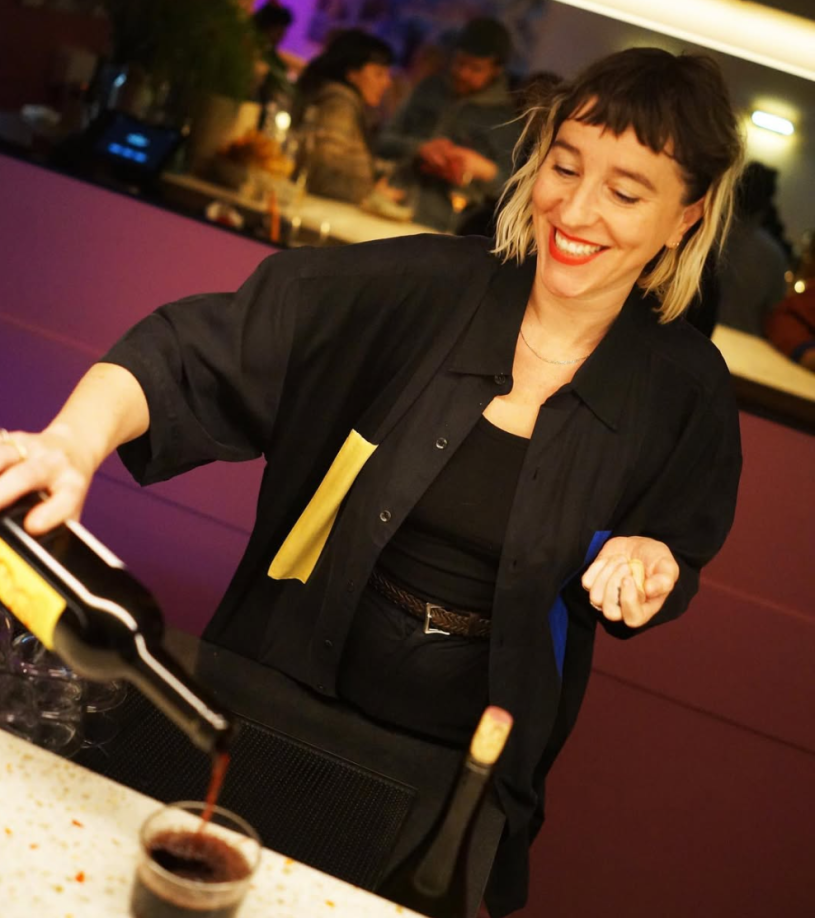
Emily and Mara made the difficult decision to close The Ruby Fruit in December 2025. To find out what the future holds for them, be sure to follow them on socials @therubyfruit.
Do you know an L.A. beverage crafter who lovingly connects to your community? Join the conversation by tagging @NHMLA with #LACultureinaCup!

