2027 City Nature Challenge


Mark Your Calendars for the 2027 City Nature Challenge
April 30 to May 3, 2027
The City Nature Challenge is an international effort to document nature in cities. The global event calls on current and aspiring community scientists, nature and science fans, and people of all ages and backgrounds to get outside and observe and submit pictures of wild plants, animals, and fungi during the Challenge dates in order to help scientists track real-time changes in our planet’s biodiversity and better understand wildlife conservation.
How to Participate
Download the iNaturalist app from the App Store or Google Play.
Step 1: Find wildlife anywhere in L.A. County (or your local area).
Step 2: Take photos of WILD** plants & animals.
Step 3: Share Your observations in the iNaturalist app.
Step 4: Learn more as your finds get identified.
**Wild means it was not put there or cared for by humans, so pets, zoo animals, potted plants, and city trees do not count for the City Nature Challenge.E
iNaturalist How-To Videos
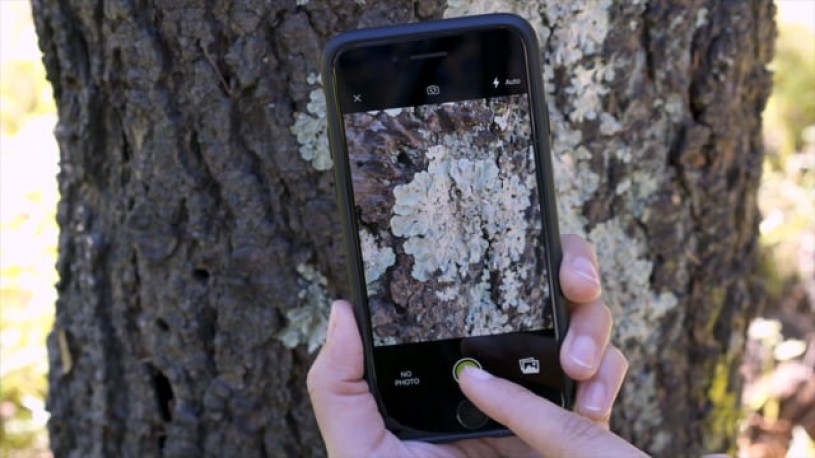
Adding an Observation on a Mobile Device
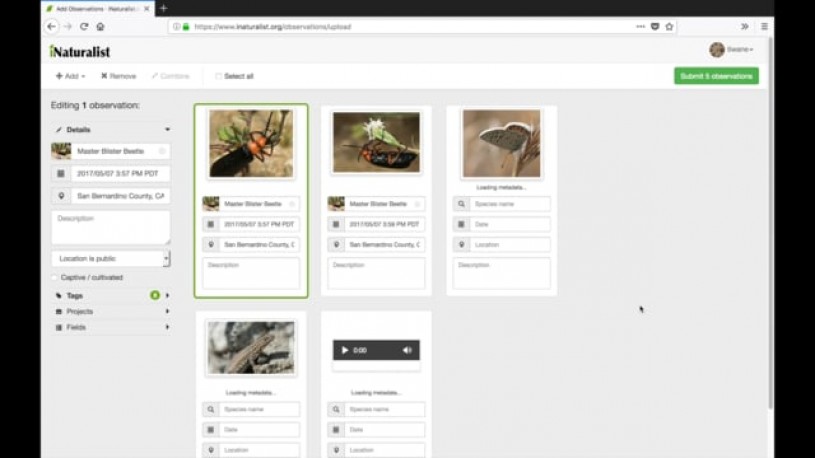
Adding an Observation via the Web
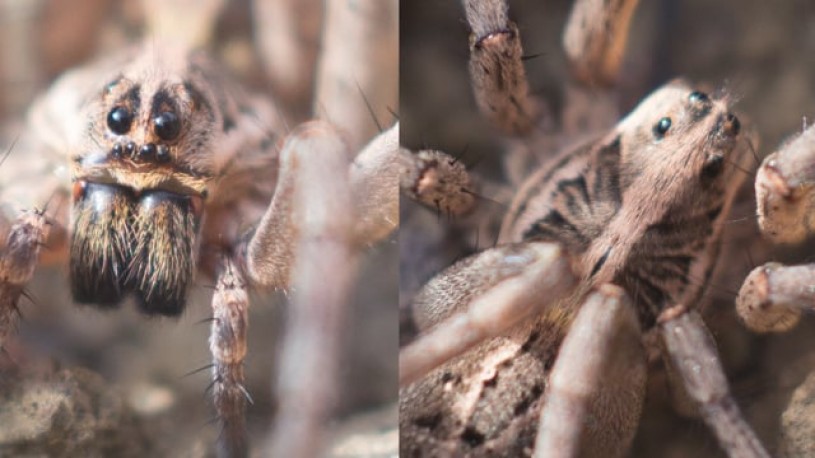
How to Take Identifiable Photos
The City Nature Challenge is brought to you by the Natural History Museum of Los Angeles County and California Academy of Sciences. Generous support provided by Metabolic Studio.

Organized By

Partners include the following: